
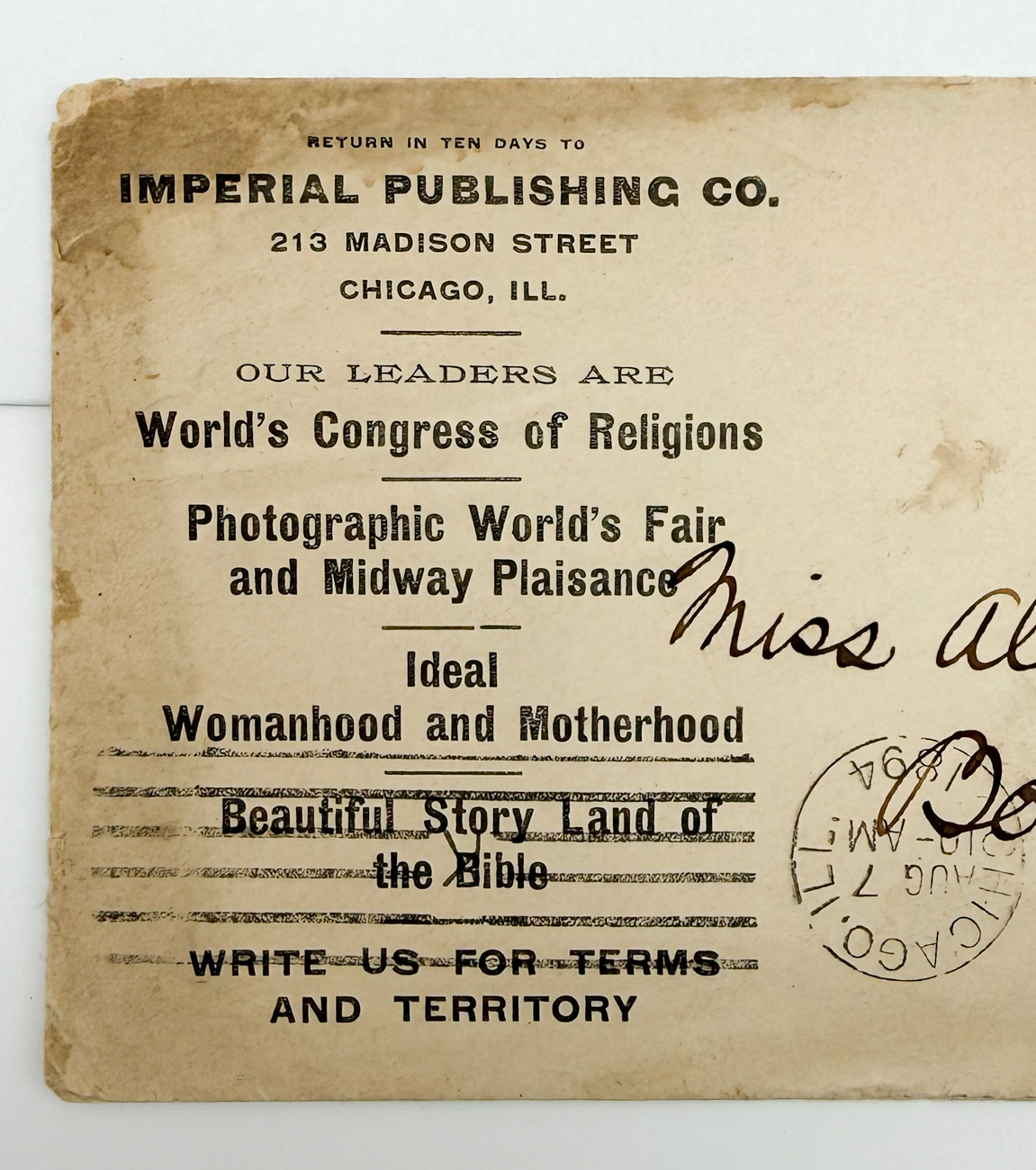
The Kitty Arnold Pittman Collection is a complete door-to-door publishing and sales archive documenting how children’s religious and moral literature entered American homes at the turn of the twentieth century. The collection traces the full subscription sales cycle, from publisher production and sales-agent recruitment through in-home sales presentation, purchase, and long-term domestic use.
The materials are anchored in Chicago-based publishing entities that dominated subscription book distribution during this period. Central to the collection are two original publisher sales kits designed for traveling sales agents, along with associated correspondence, order forms, freight instructions, invoices, and sales directives. Together, these materials provide a rare, integrated view of early twentieth-century domestic book selling as a coordinated commercial system rather than an isolated retail practice.
The archive includes 37 individual artifacts representative of each of the below stages of the subscription sales cycle, in addition to dozens of found ephemera in situ. You may view full images and a brief inventory of each item on the Collection Images page, along with basic facts about item condition, origins, inscriptions and ephemera.

Representative of the Chicago-based door-to-door subscription publishing ecosystem contemporaneous with the books and sales materials in the collection. (1 item)
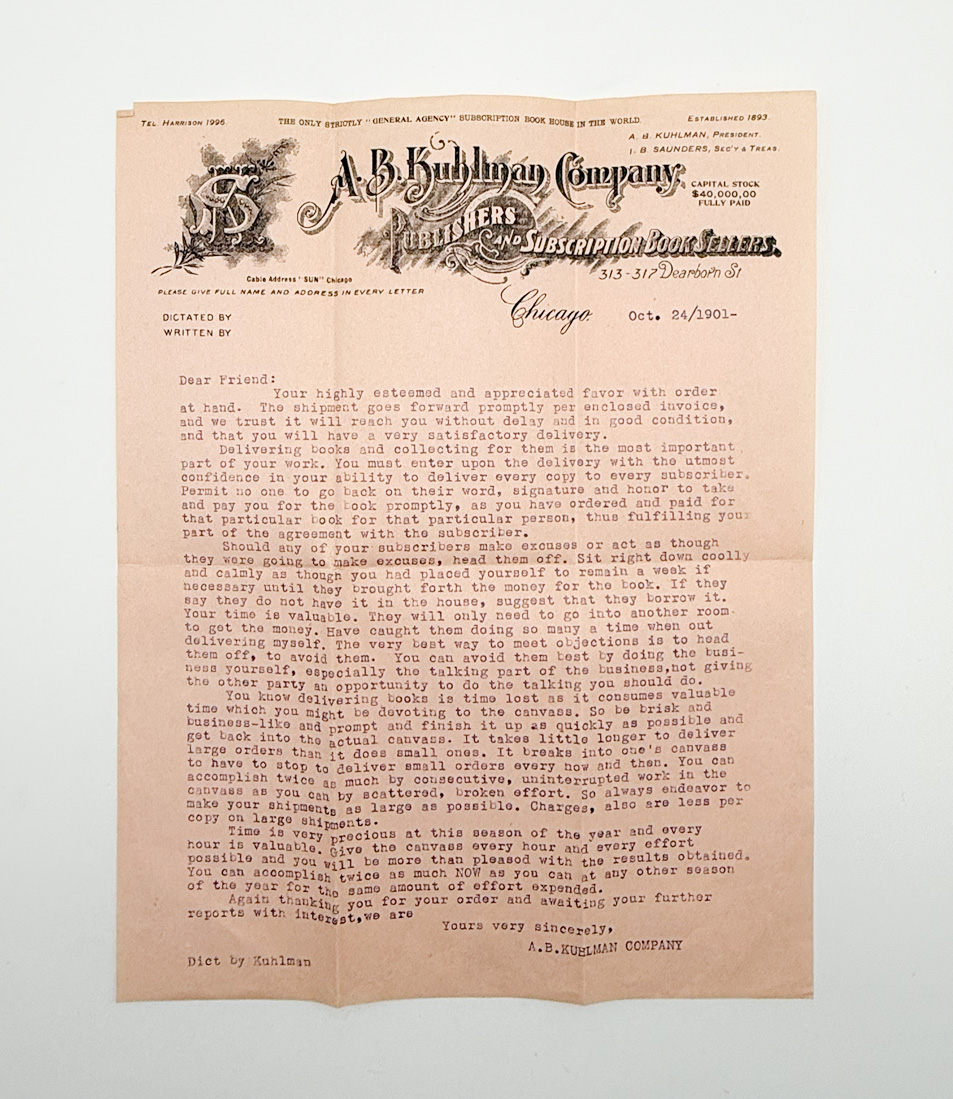
Retained as an intact sales-agent correspondence group documenting subscription-publishing operations, agent training, order processing, payment, and freight fulfillment practices of AB Kuhlman Company in 1901. (8 items)
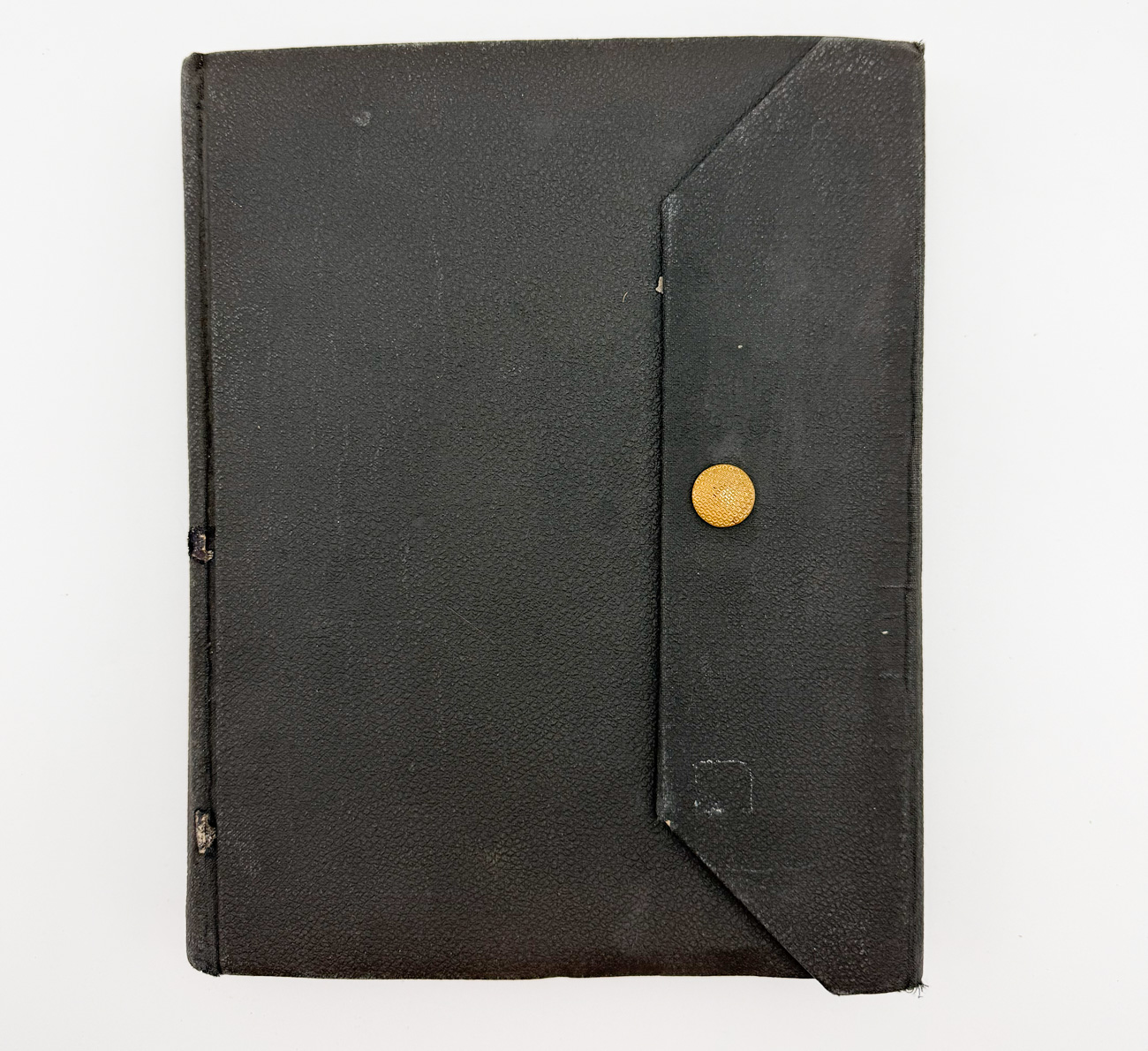
Door-to-door sales kit used by A.B. Kuhlman and Morse & Co. sales agents to present titles, pricing, and ordering information to families. Includes sample materials for titles represented elsewhere in the collection. (2 kits)
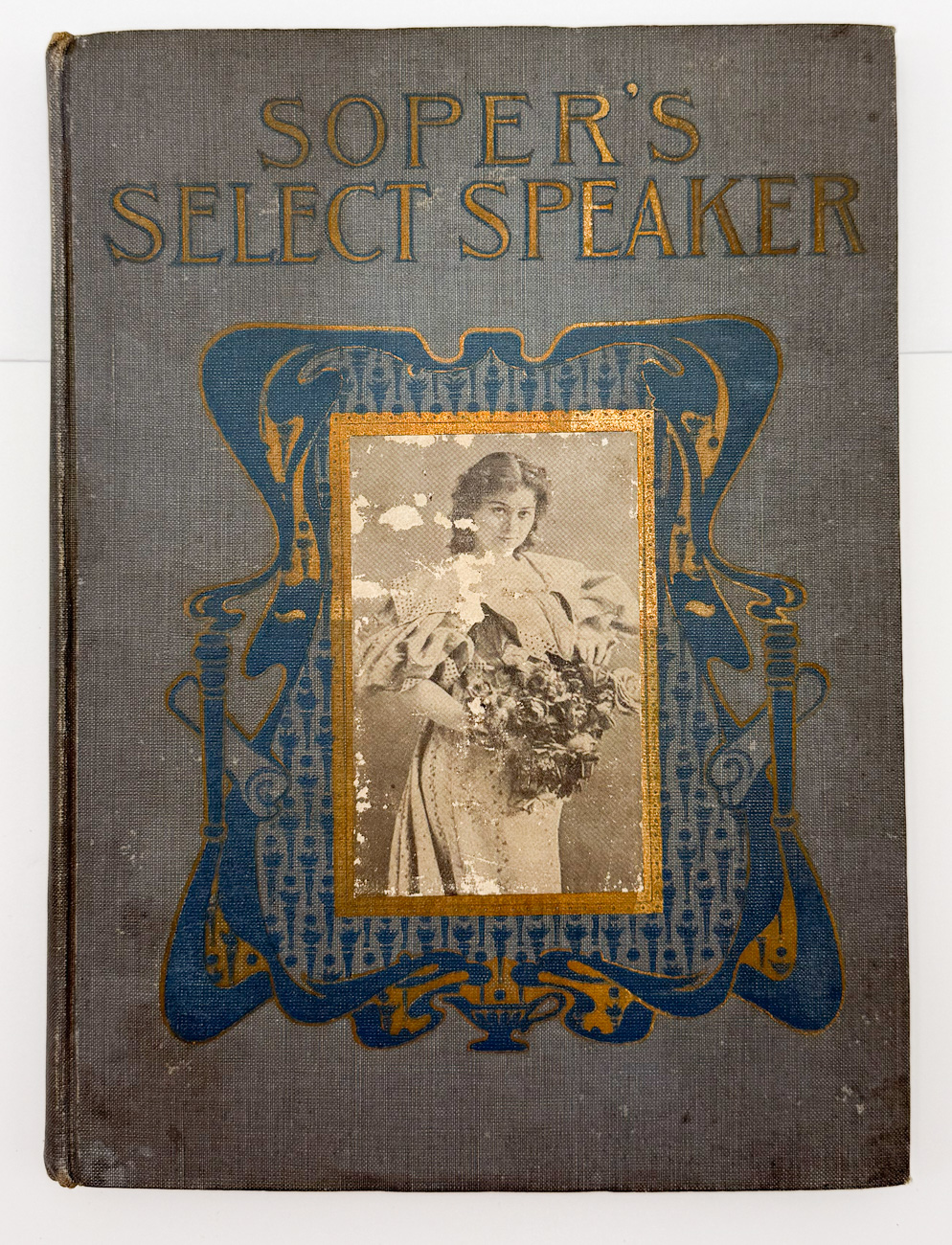
Abridged salesman’s sample editions with reduced interior content and full table of contents referencing the complete volume; pricing and marketing information printed on rear pages, followed by multiple clean, ruled ledger pages intended for sales-agent notetaking. (2 samples: Soper's Select Speaker and Social Culture)
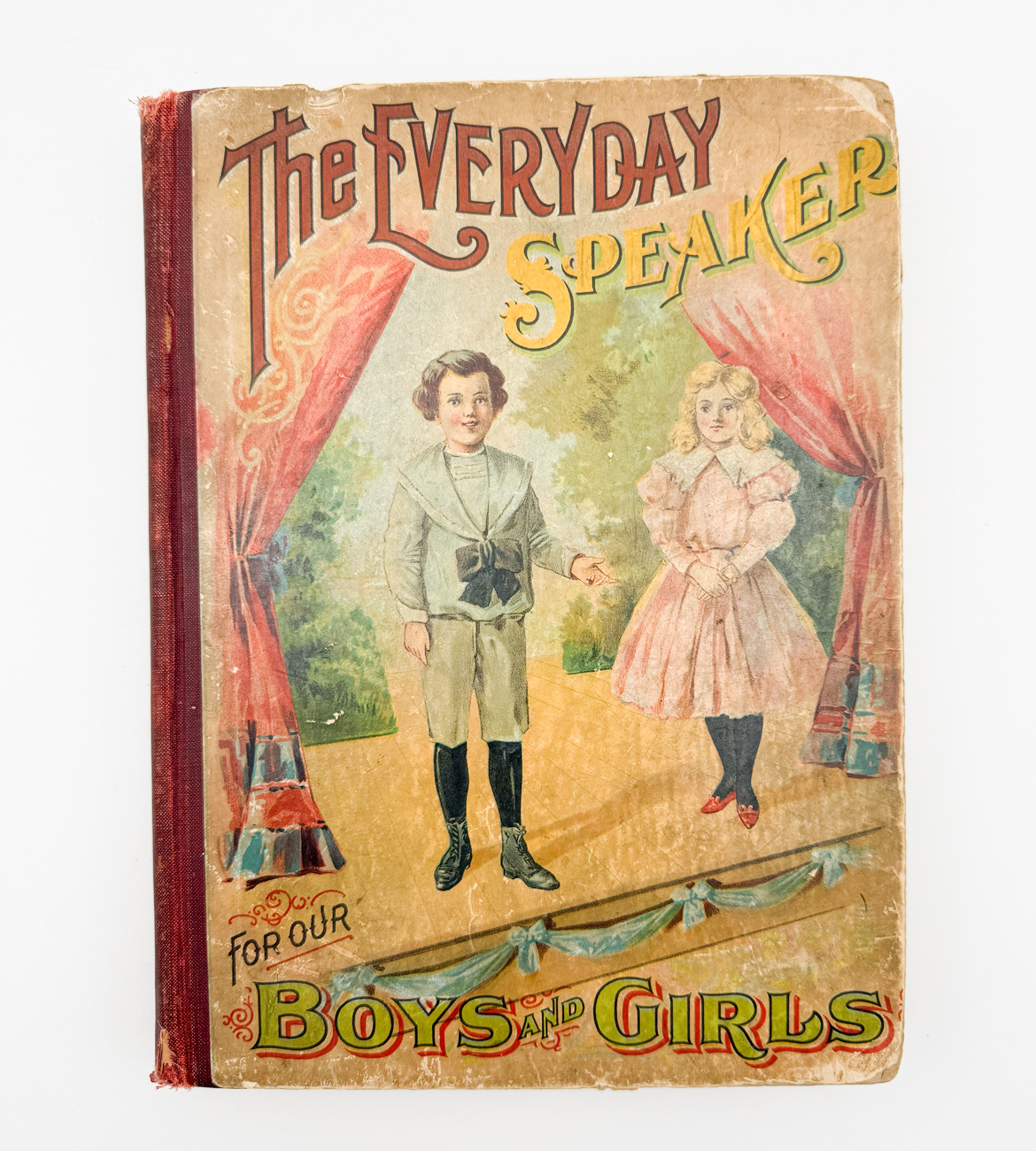
Sold volumes as delivered to buyers, some containing data/geo inscriptions and retained period ephemera. (23 books)
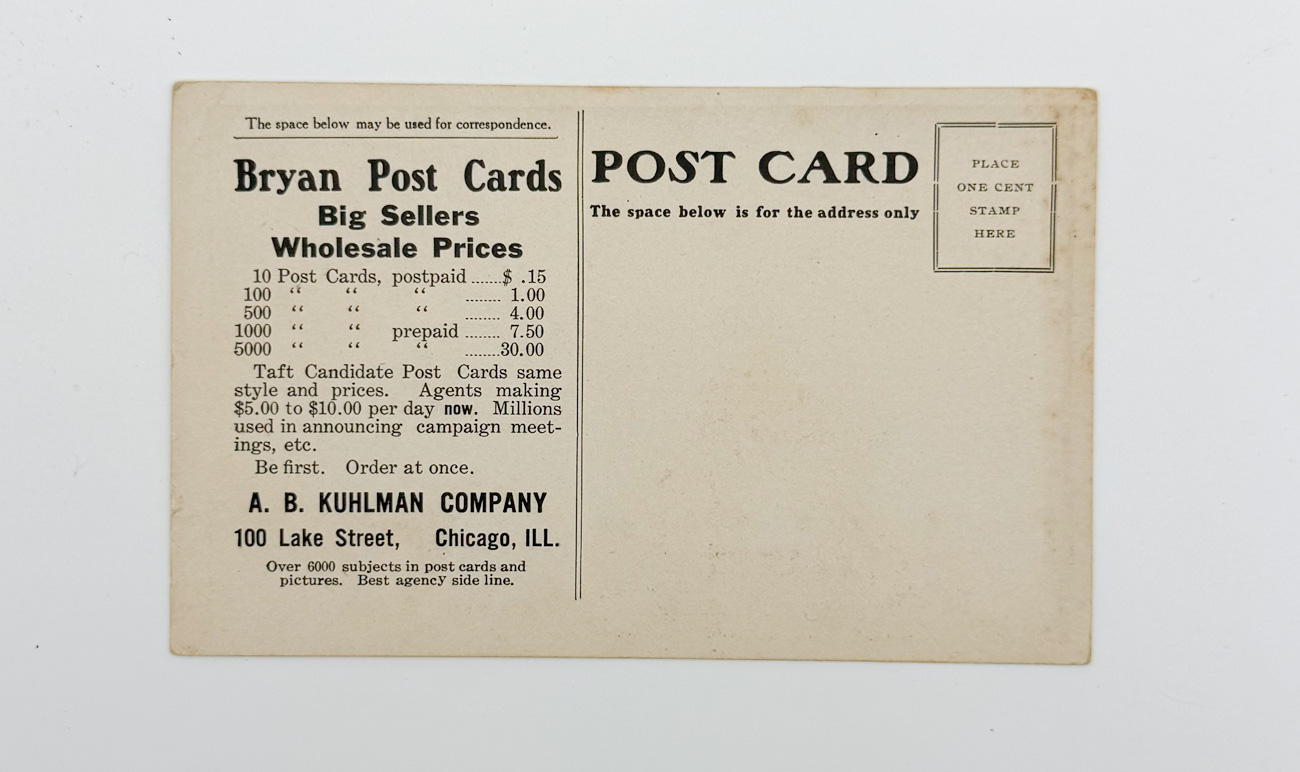
Sideline product that llustrates diversification of subscription-publishing sales networks into political and topical merchandise, demonstrating the breadth of products marketed through AB Kuhlman Company’s agent-based distribution system. (1 item)
The collection centers on multiple editions of My Mother’s Life of Jesus, Soper’s Select Speaker, Social Culture, Famous Fairy Tales, Poems that Never Die and companion juvenile titles distributed through door-to-door subscription sales rather than traditional bookstores. The materials document how publishers positioned these works as long-term moral and educational investments for families, marketed through direct, in-home sales rather than traditional retail channels.
Two intact publisher sales kits serve as the structural core of the archive. These kits include:
Bound sample pages intended for in-home presentation
Scripted appeals addressed directly to parents
Fixed pricing structures
Title lists identifying both included and additional available books
Ruled pages for recording customer names, notes, and order details
The kits were designed to guide sales agents through a standardized domestic sales interaction, offering insight into how persuasion, pricing, and moral framing were tailored to family decision-making within the home.
Supplementing the sales kits are contemporaneous sales-agent documents associated with Chicago-area publishing and distribution firms, including Imperial Publishing Company, EC Morse & Co., and the A.B. Kuhlman Company. These materials include envelopes, correspondence, order forms, freight instructions, invoices, and seasonal sales directives.
Taken together, these documents complete the commercial chain from publisher and distributor, to sales agent, to parent purchaser. They illuminate the operational mechanics of subscription publishing, including logistics, fulfillment, and regional sales coordination.
The book copies themselves range from well-preserved to heavily used and contain inscriptions, retained ephemera, bookmarks, and evidence of repeated handling. These physical traces document how the books functioned within households across decades, often reused for literacy development, devotion, and moral instruction across generations.
The collection demonstrates how subscription-published children’s books were not merely sold, but actively integrated into family life, reflecting broader patterns of domestic reading, education, and religious practice in American households.
The collection is attributed to Kitty Arnold Pittman (1903-1981) and was assembled in recognition of the role that My Mother’s Life of Jesus played in family-based literacy and religious instruction across multiple generations. Within the Pittman family, the title was read aloud to children and used for early reading instruction beginning in the early twentieth century and continuing into the late twentieth century.
By situating this family lineage within a complete set of surviving books, sales kits, and sales-agent materials, the collection offers a rare, materially grounded view of early twentieth-century children’s subscription publishing as a lived system. It connects commercial sales networks to domestic decision-making and everyday family life, providing value for research across publishing history, marketing and sales practices, print culture, and social history.
The collections are stewarded by an experienced executive and cultural practitioner with a background in governance, systems design, and long-term asset management.
Stewardship practices reflect an understanding of institutional standards, documentation requirements, and the responsibilities associated with cultural preservation.

From the Steward, C.Kimberly Toms:
“As a child, I was given a copy of My Mother’s Life of Jesus as a birthday gift from my mother. At the time, she explained that her grandmother, Kitty Arnold Pittman, had learned to read using the same title and had read its stories aloud to her as a child. I kept that book for more than forty years.
During the coronavirus pandemic in 2020, I began acquiring additional copies of the title with the initial intention of donating them to an early Edwardian schoolhouse. In the process of locating comparable editions, I discovered that the book was not primarily a school text, but part of a subscription-based, door-to-door sales model. That realization occurred when I encountered my first publisher’s sales kit containing the title.
From there, the collection expanded organically. Additional titles from the same sales kit were located, followed by a second sales kit of similar origin. I then found sales agent recruitment material sent to a prospective subscription salesperson. An early title acquisition revealed itself to be an abridged sample edition, carried by sales agents during household visits. Soon after, sales correspondence and coaching materials surfaced, documenting how agents were trained to recruit, present, and close subscriptions. The final component emerged unexpectedly: a political postcard marketed to sales agents as a sideline product to supplement their income.
What began as a single inherited volume ultimately revealed an entire sales ecosystem, one preserved not through institutional planning, but through careful, sequential discovery.”
